The Bus Stop

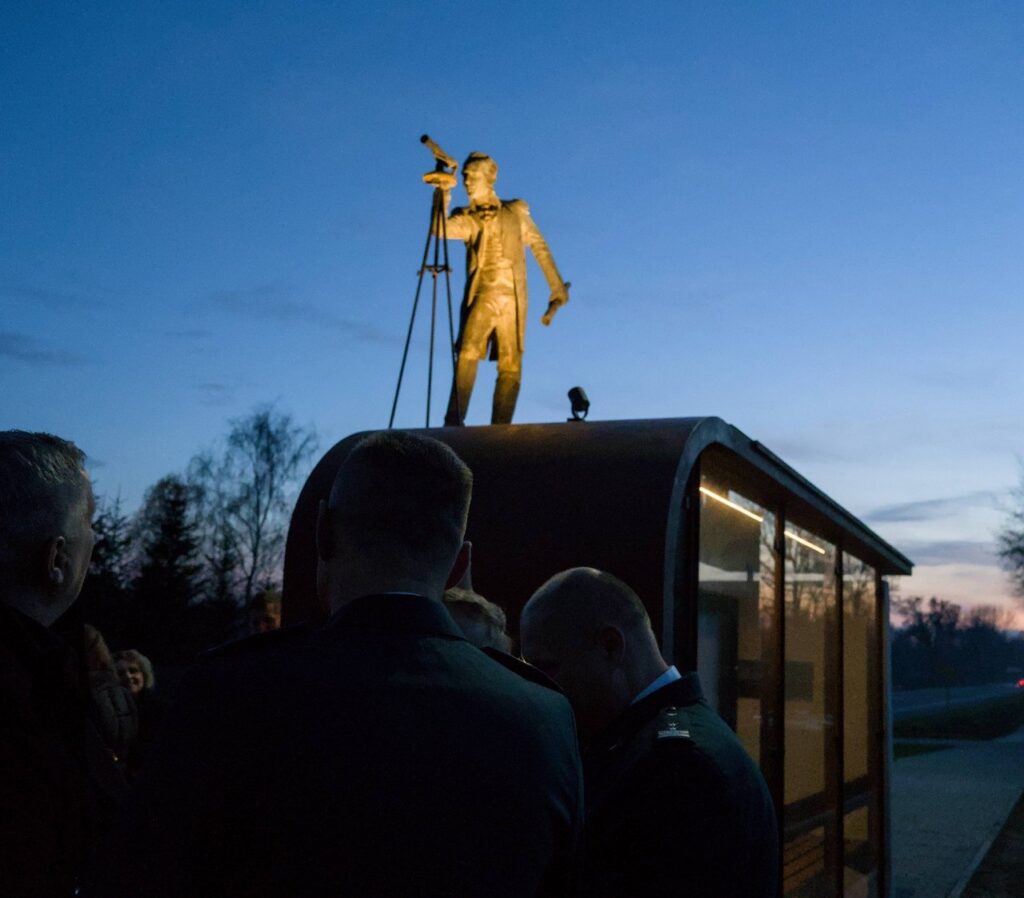
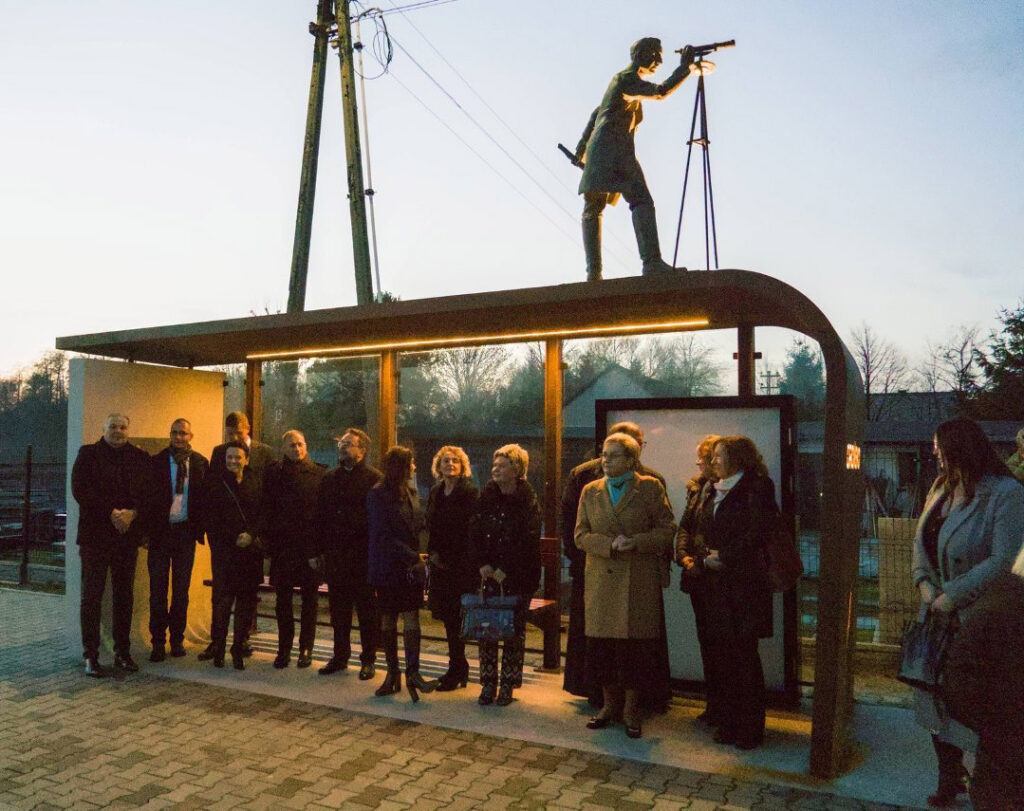
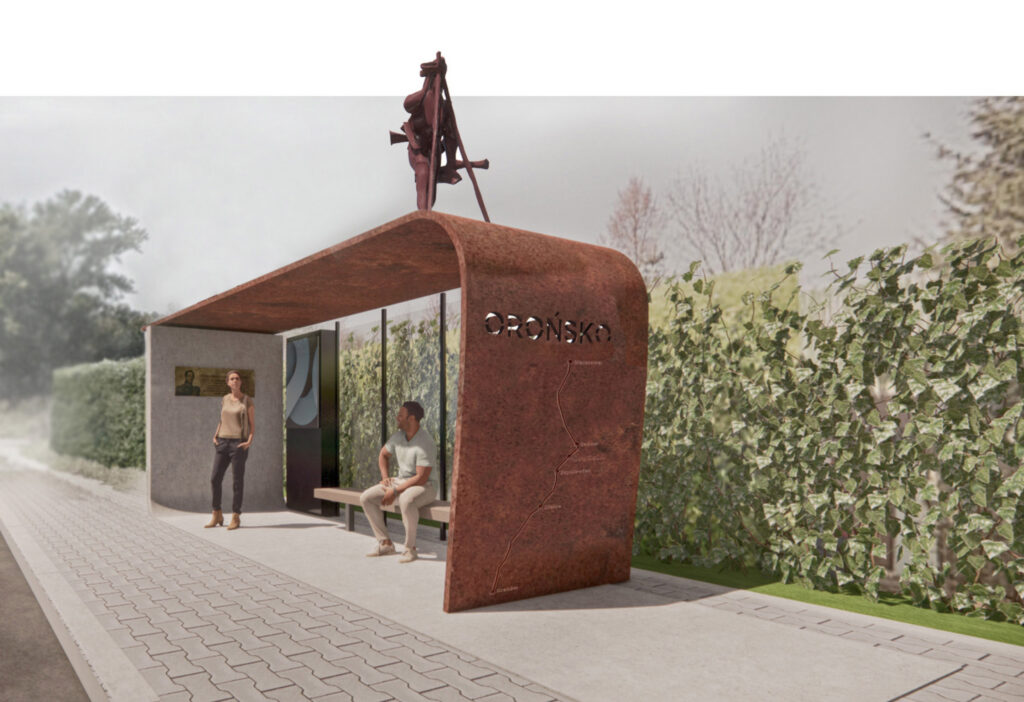
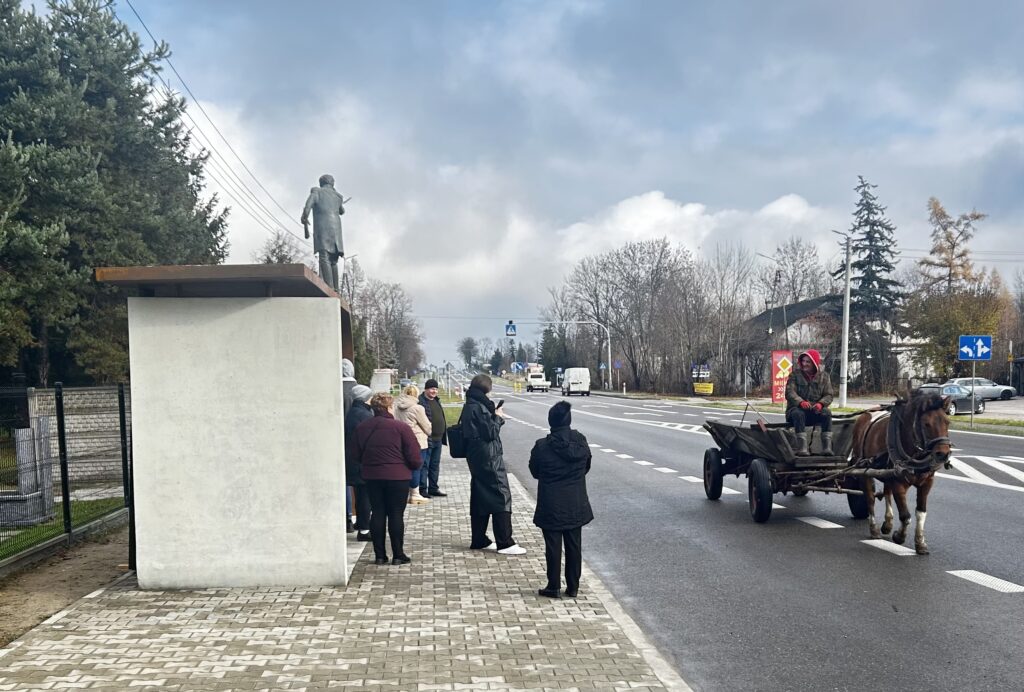
The bus stop in the form of a functional sculpture, is dedicated to engineer Franciszek Ksawery Christiani, a pioneer in the construction of paved roads in the Kingdom of Poland. The shelter-sculpture consists of two parts. The lower, made of concrete ( GRC) part symbolizes the road, and the upper, rusted steel part symbolizes a bridge. The roof features a figure of Christiani, an engineer who served as director of the beginning of GDDKiA for many years from 1819 and, several years later, also became the owner of Orońsko. Today, his former estate is home to the Center of Polish Sculpture.
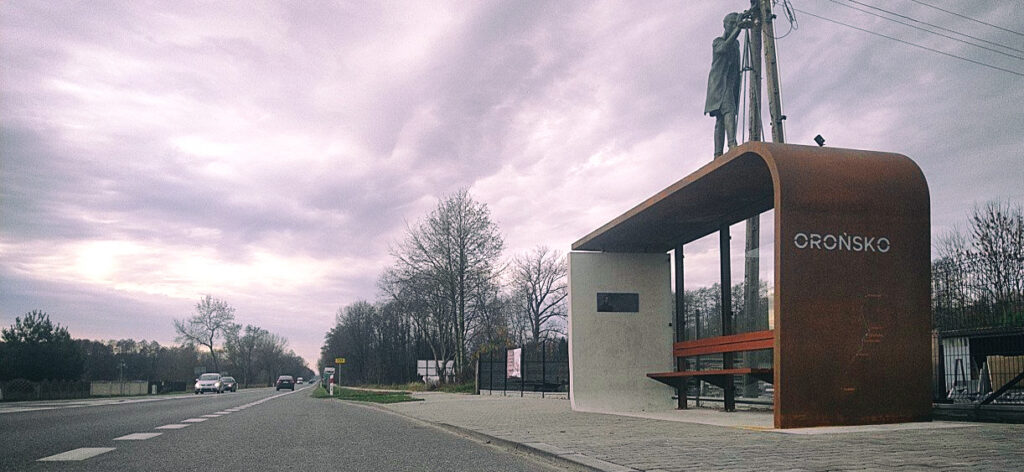
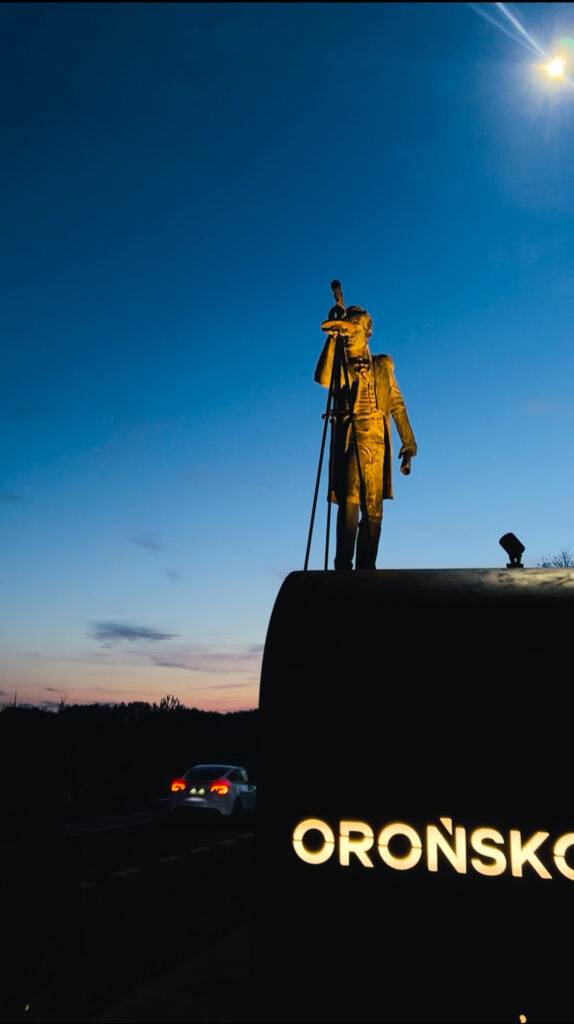
bus stop

Yoni

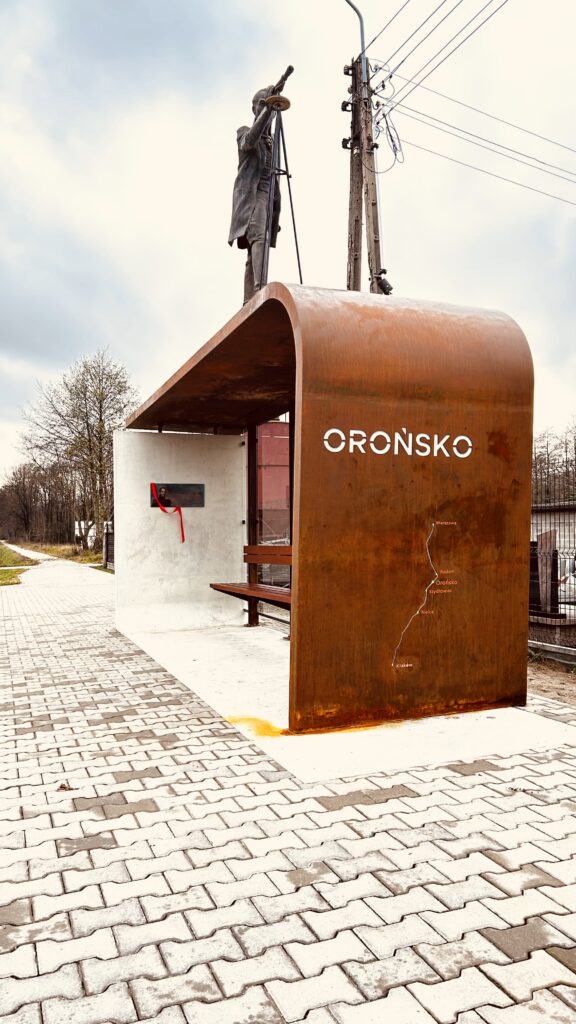
The bus stop in the form of a functional sculpture, is dedicated to engineer Franciszek Ksawery Christiani, a pioneer in the construction of paved roads in the Kingdom of Poland. The shelter-sculpture consists of two parts. The lower, made of concrete ( GRC) part symbolizes the road, and the upper, rusted steel part symbolizes a bridge. The roof features a figure of Christiani, an engineer who served as director of the beginning of GDDKiA for many years from 1819 and, several years later, also became the owner of Orońsko. Today, his former estate is home to the Center of Polish Sculpture.
.

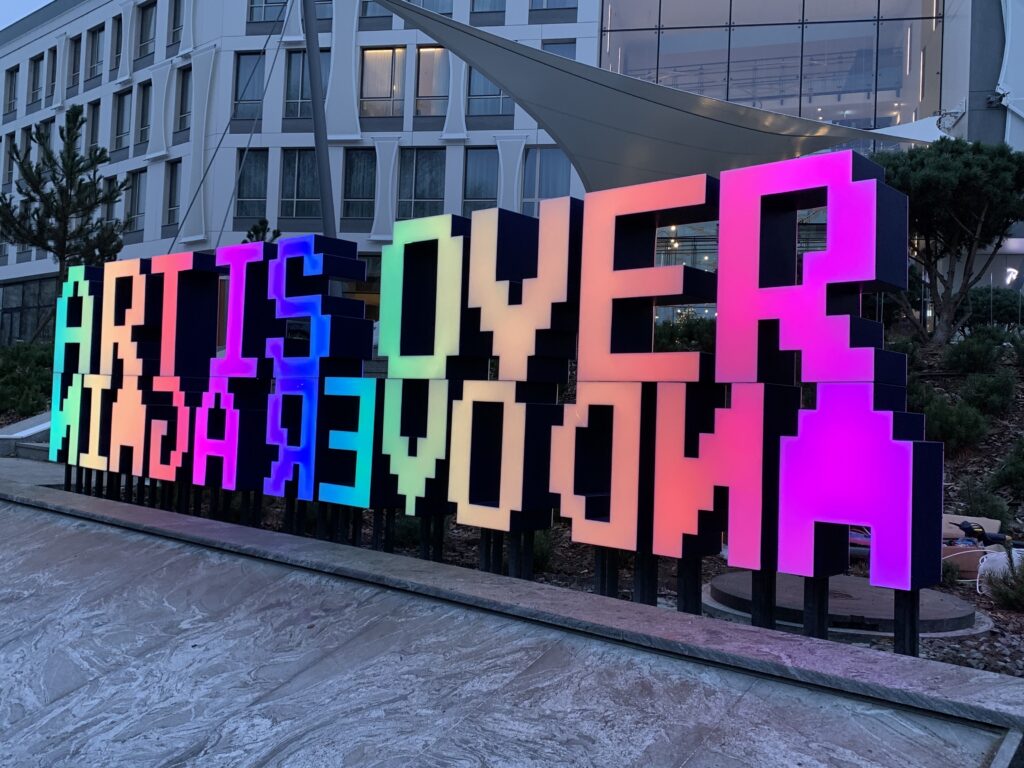
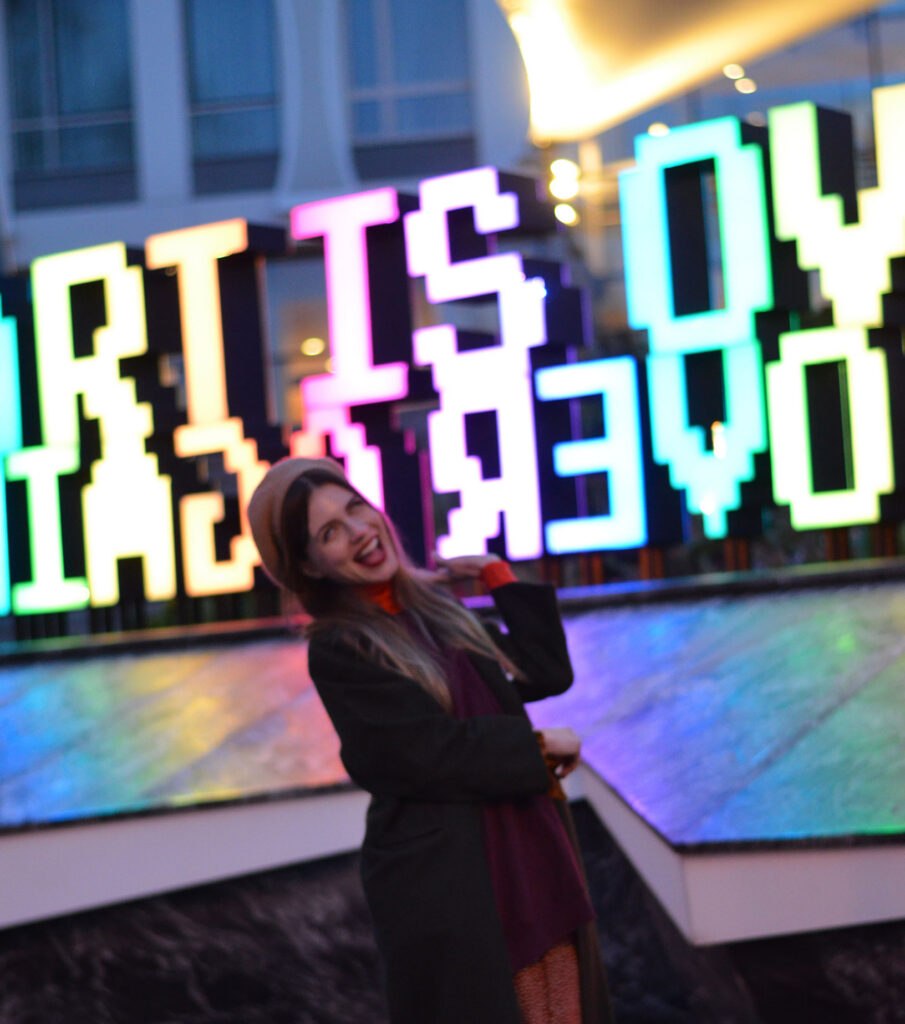
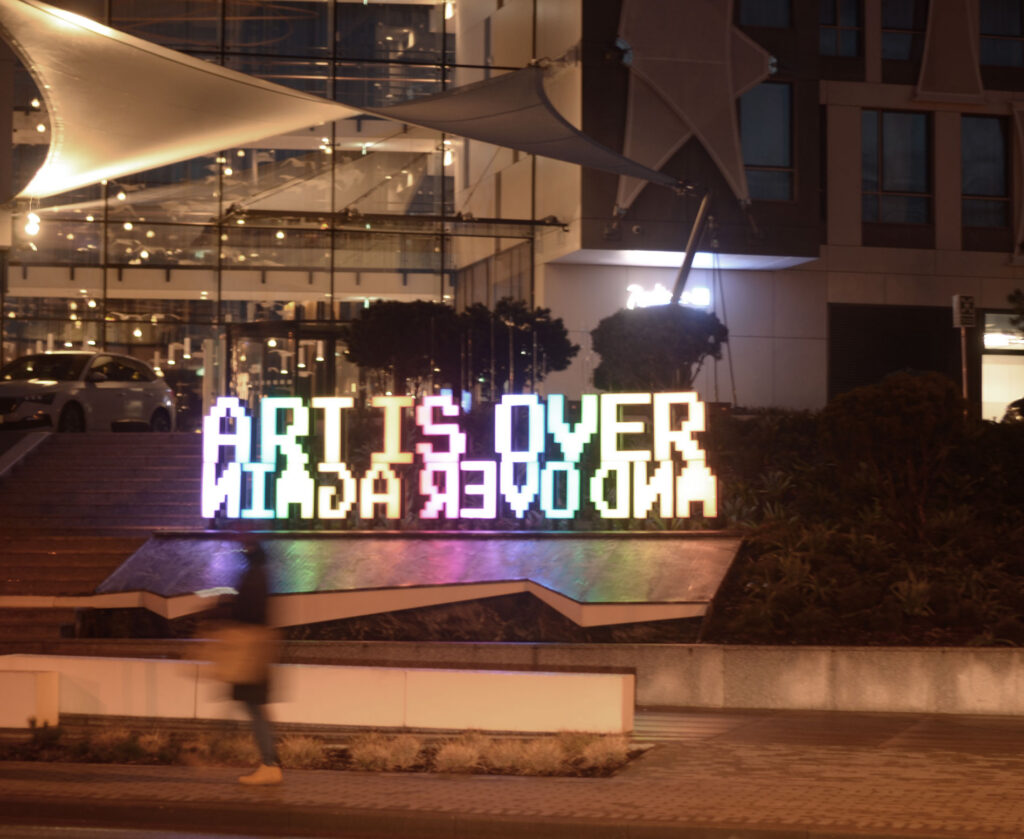
Art is over

Phototeraphy Sculpture, Sopot, Poland, 2020

The proposed spatial object is a so-called letter sculpture, which uses letters and their meaning as a sculptural form. The idiomatic slogan ART IS OVER AND OVER AGAIN refers to the contemporary model of art which has recently expanded so far that it has come to encompass virtually everything. It is becoming almost impossible to distinguish art from science, technology, everyday life, or life in general. The question is whether such an expansion of the concept of art is its end or just the beginning. The aesthetic inscription is inspired by the font characteristic of computer games of the early 1990s, in particular the phrase GAME IS OVER. The sculpture uses phototherapeutic light, and works as a free phototheraphy in public space.

Art is Over

.

.

.

.

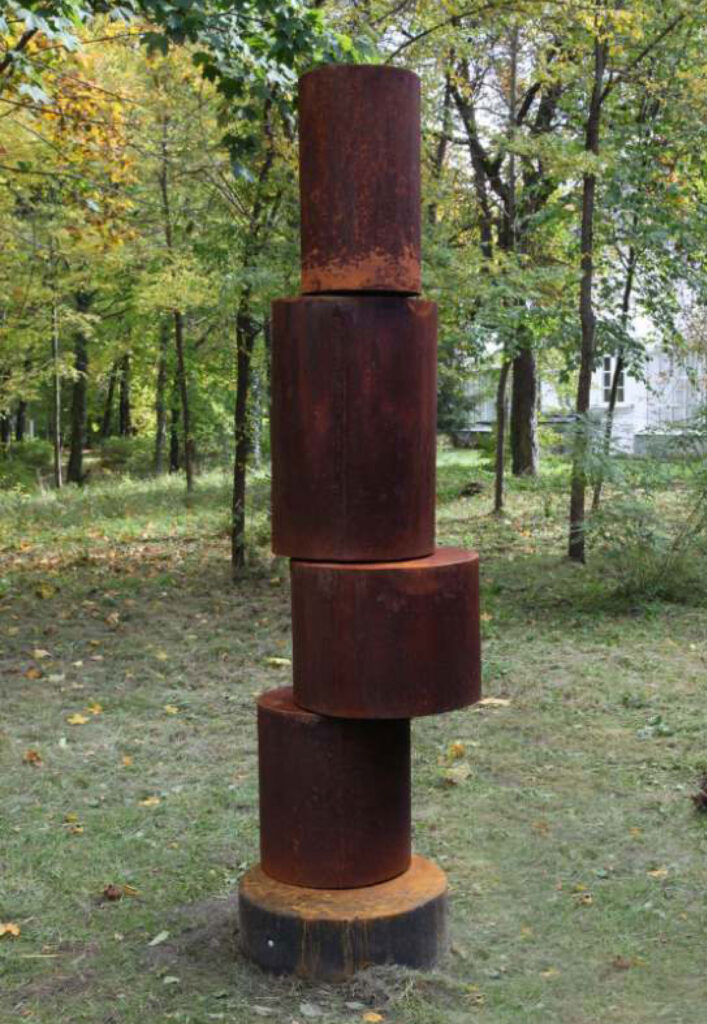
Chord

Destress sound sculpture, Centre of Polish Sculpture in Oronsko, 2022

The sound sculpture CHORD refers to the concept of acoustic ecology by R. Murray Schafer, who already in the 1960s drew attention to the problem of increasing noise in urban spaces, negatively affecting the comfort of residents. The starting point for sculpture is the observation that we need a space of releasing tranquility in cities, especially today. "Chord" consist four cylinders of rusted steel, rotating around a single axis at different speeds and alternating directions of rotation. One can see in this continuous omnidirectional movement a reference to the dancing trance of dervishes. Inside each cylinder are separate speakers emitting sounds within a radius of about ten meters. The whole thing is controlled through Arduino computers and a control code specially written for this sculpture. Four compositions of the same length of about 10 minutes are stored in the Arduino's operating memory. The control code also allow random combinations of tracks from different compositions. In this way, the sculpture on the sound side morphs neatly. The idea is ultimately to create the musical equivalent of the relaxing sensations brought by the sound of the sea, a waterfall, or rain, and thus to relax and unwind. The combination of sculpture as a mobile three-dimensional visual form and musical form is intended to be a kind of symbolic space-time. A world submerged in benevolent time.
.

.

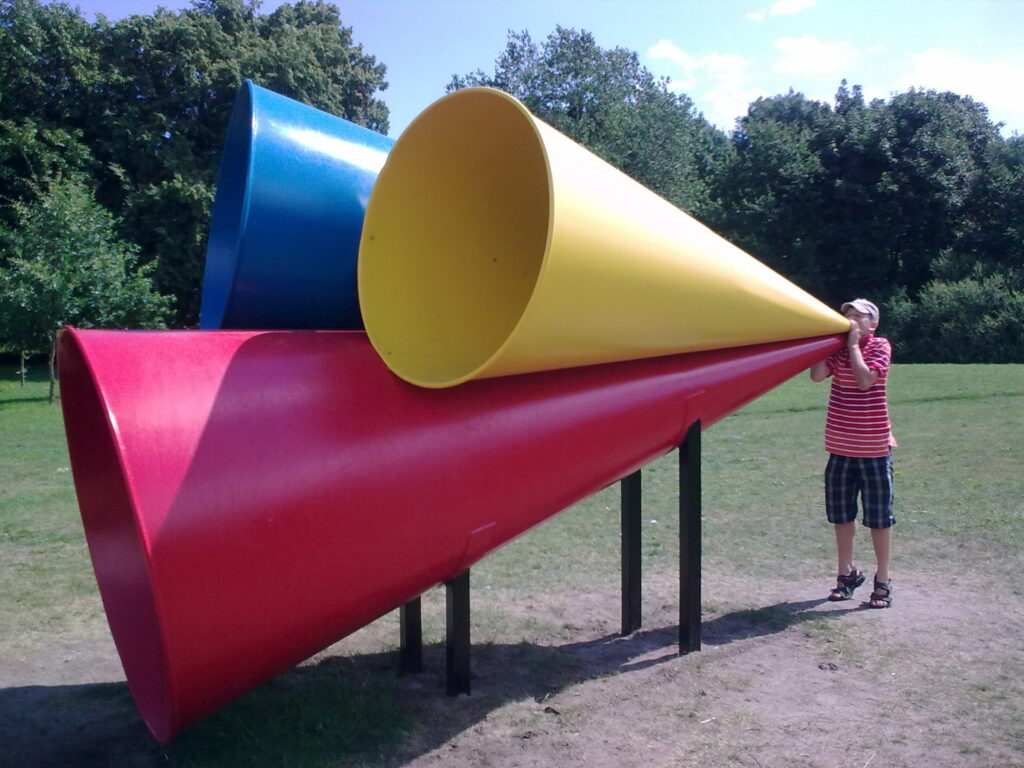
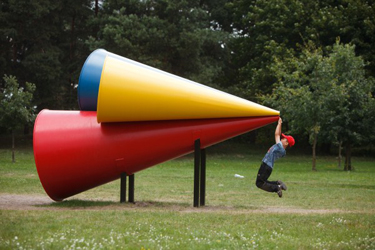
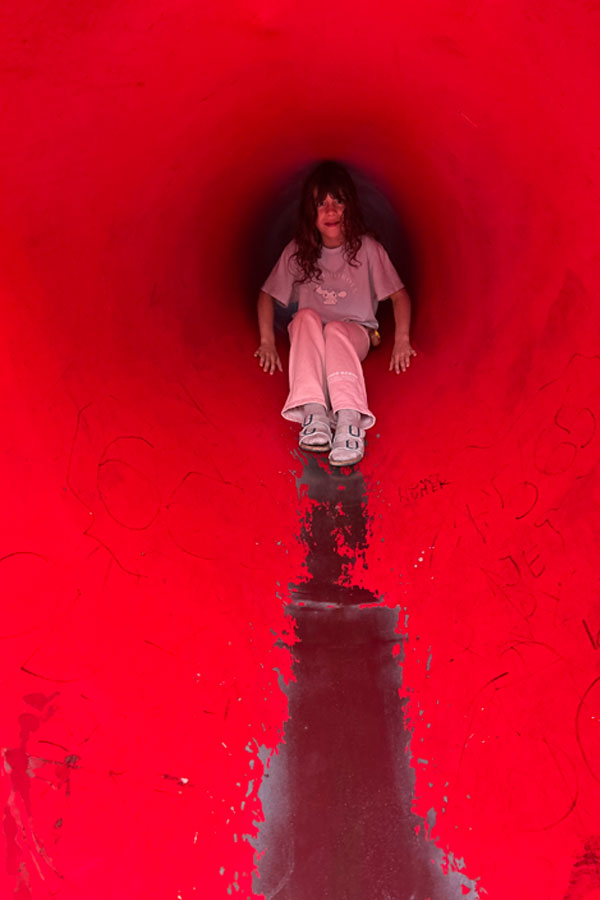
The Shouter

Ronald Regan's Park in Gdansk, Poland 2016

It helps release aggression, frustration, negative emotions, and fears, among other things. Just roar as loudly as you can and the improvement will be immediate.

Nagłaśniacz

.

.

.

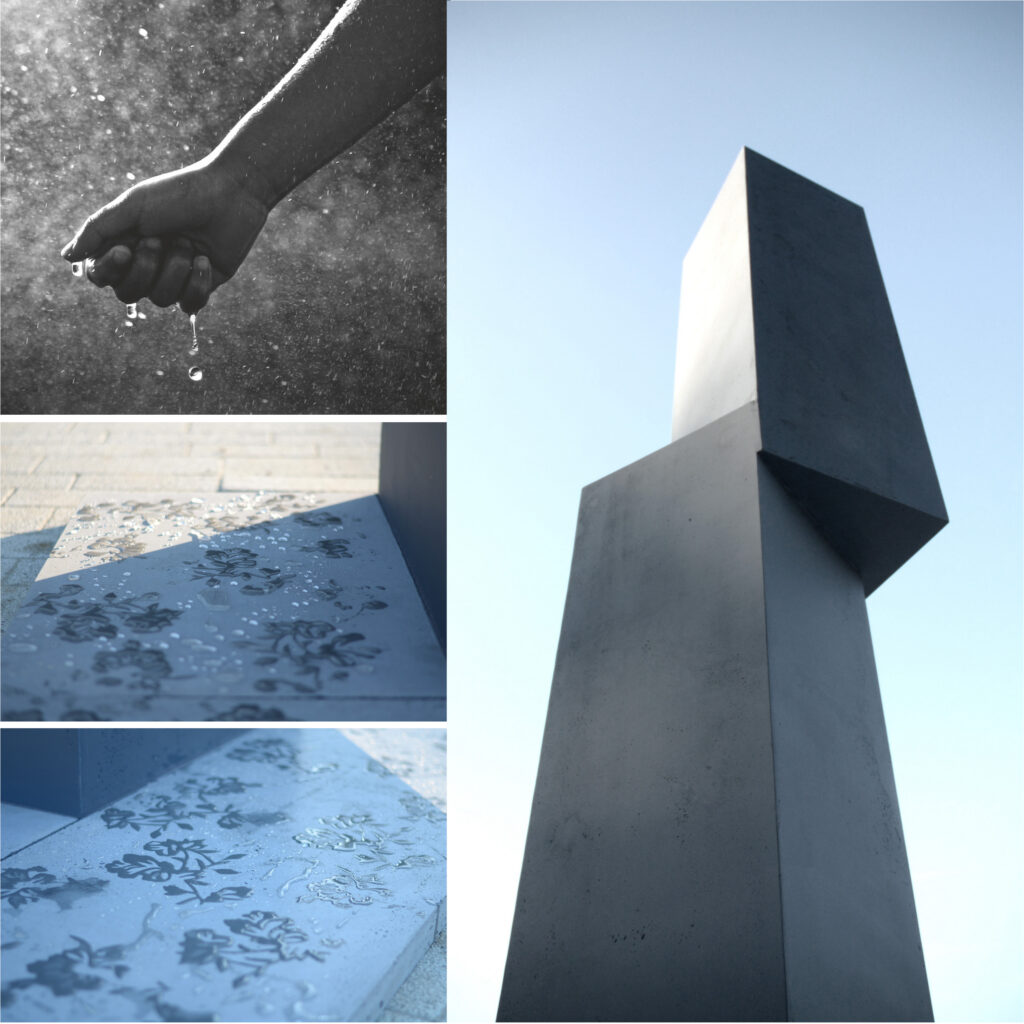
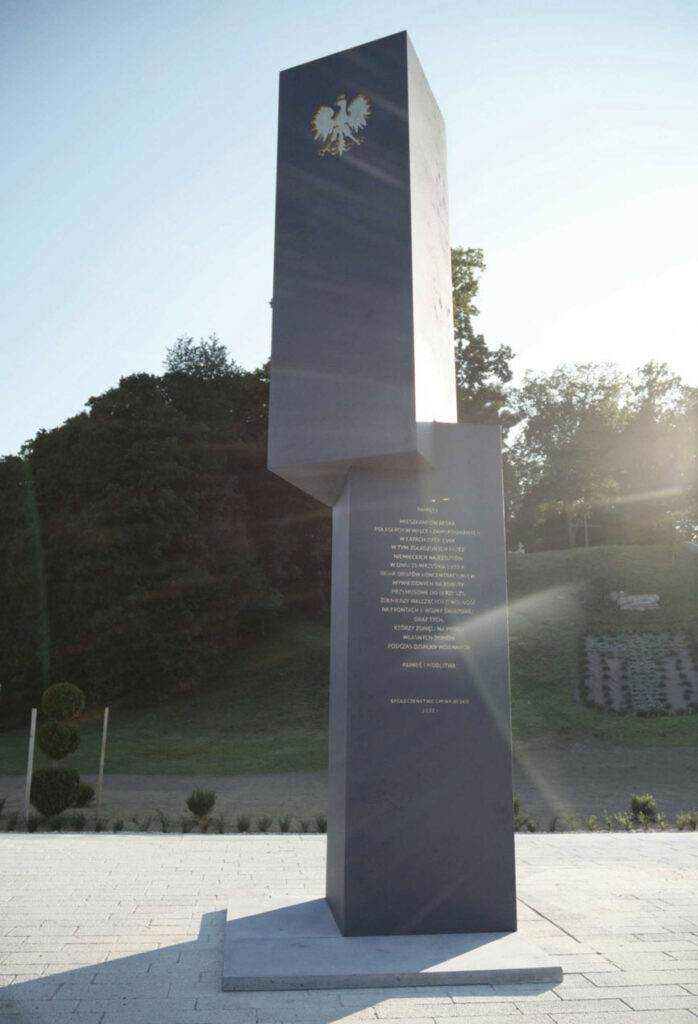
The Monument in Besko

Monument made of responsive concrete. Besko, 2019

Just pour water on the concrete to lay flowers at the monument commemorating the victims of Nazism.

.

.

.

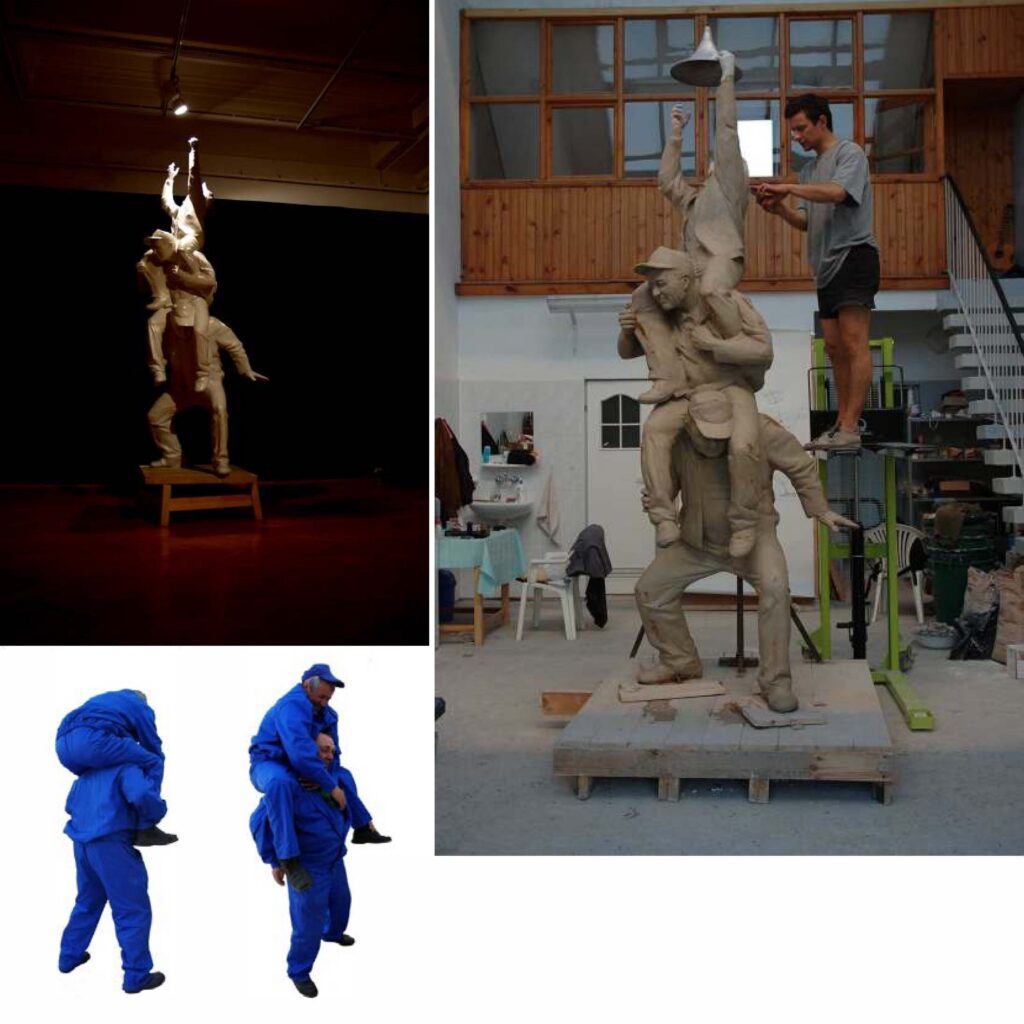
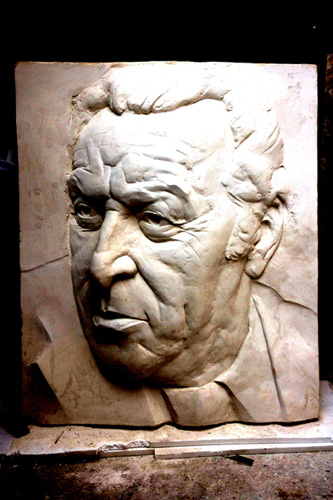
Monument dedicated to the technical staff of the Center of Polish Sculpture in Oronsko

Nove Kino Praha

Prague South district, Warsaw,2007

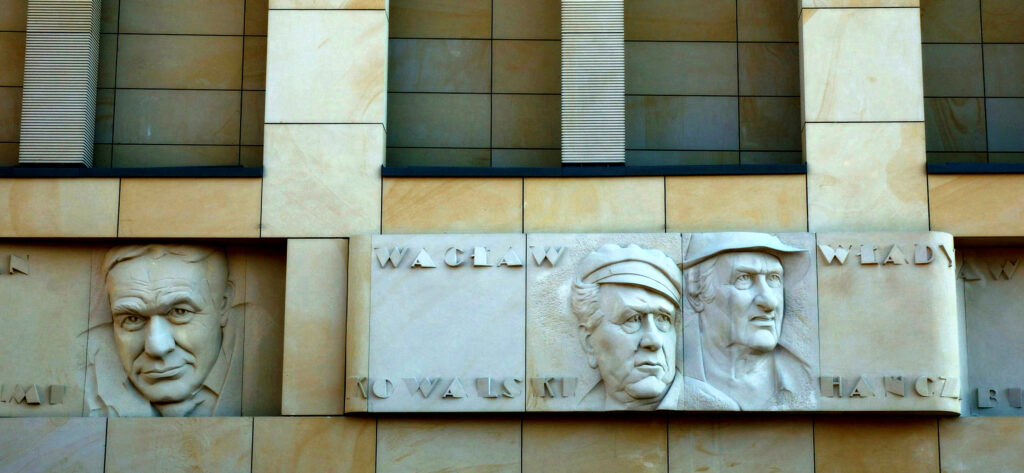
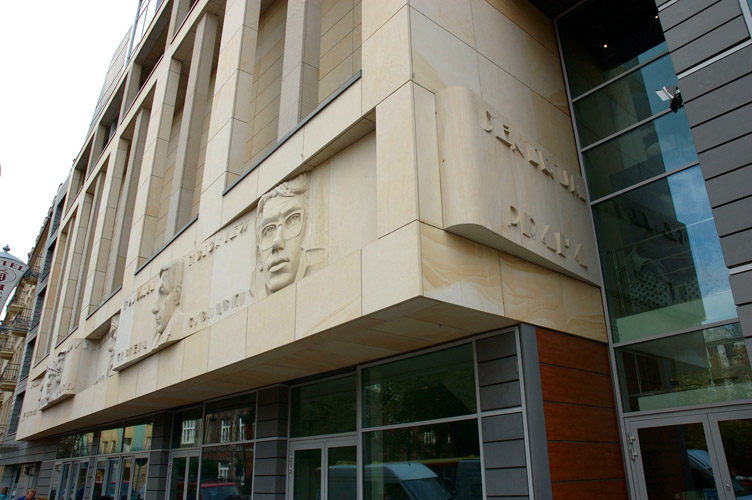
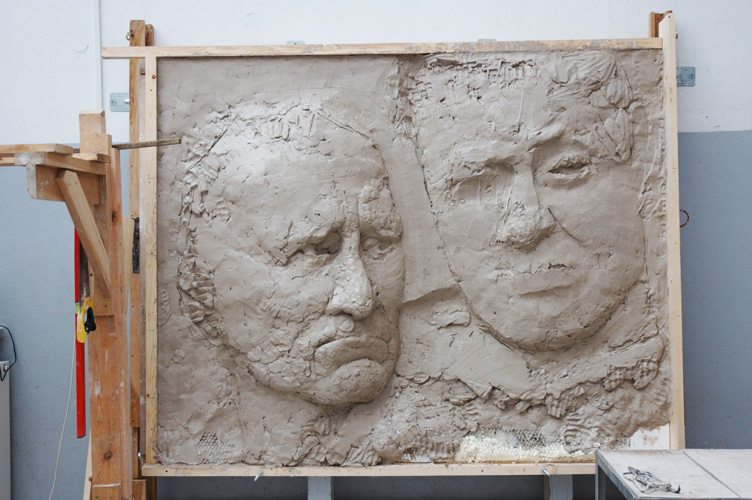
The idea behind this functional sculpture was to transform a static and boring building into a giant film projector. Twelve faces of famous Polish actors are placed on a stone film tape that goes around the outside and inside of the building. Winning project in the students competition “Sculpture in Architecture” organized by the Governor of Mazovia and the Academy of Fine Arts in Warsaw.

.

.

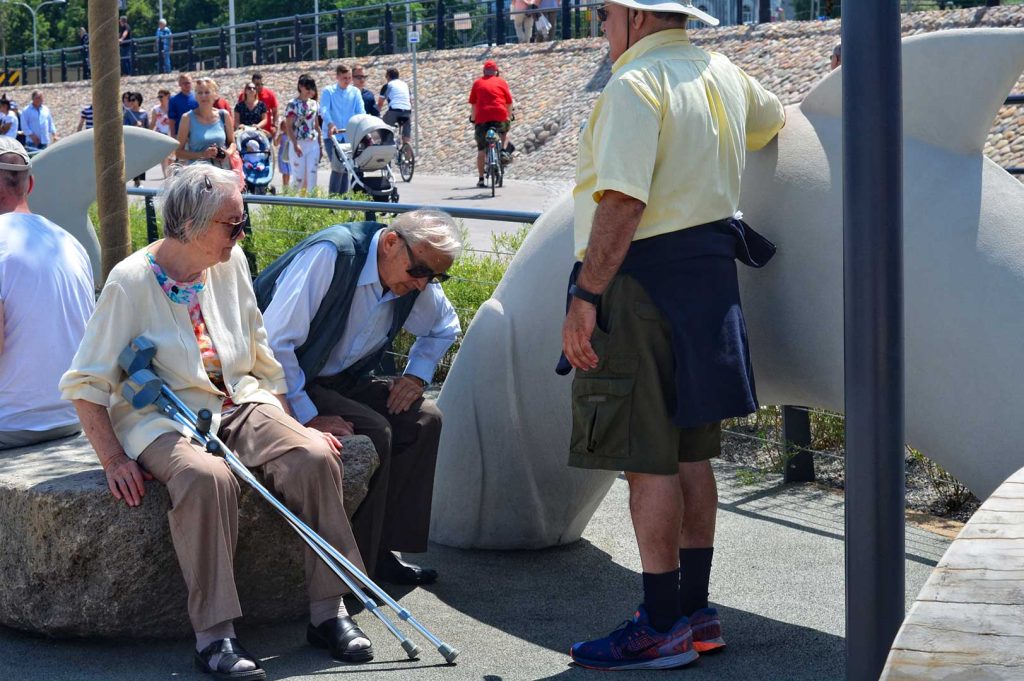
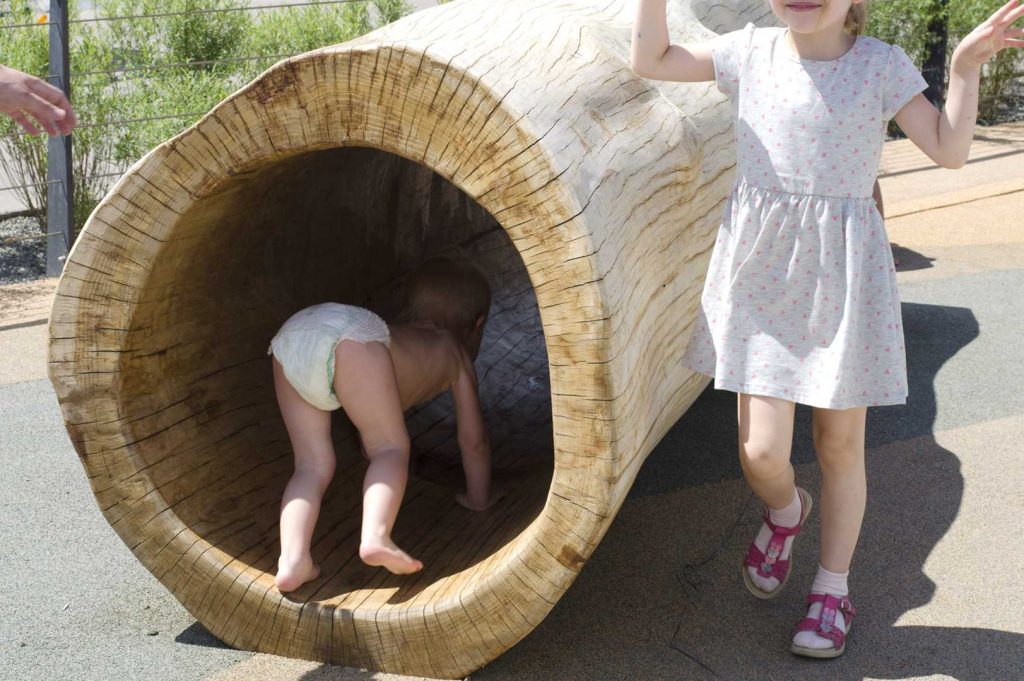
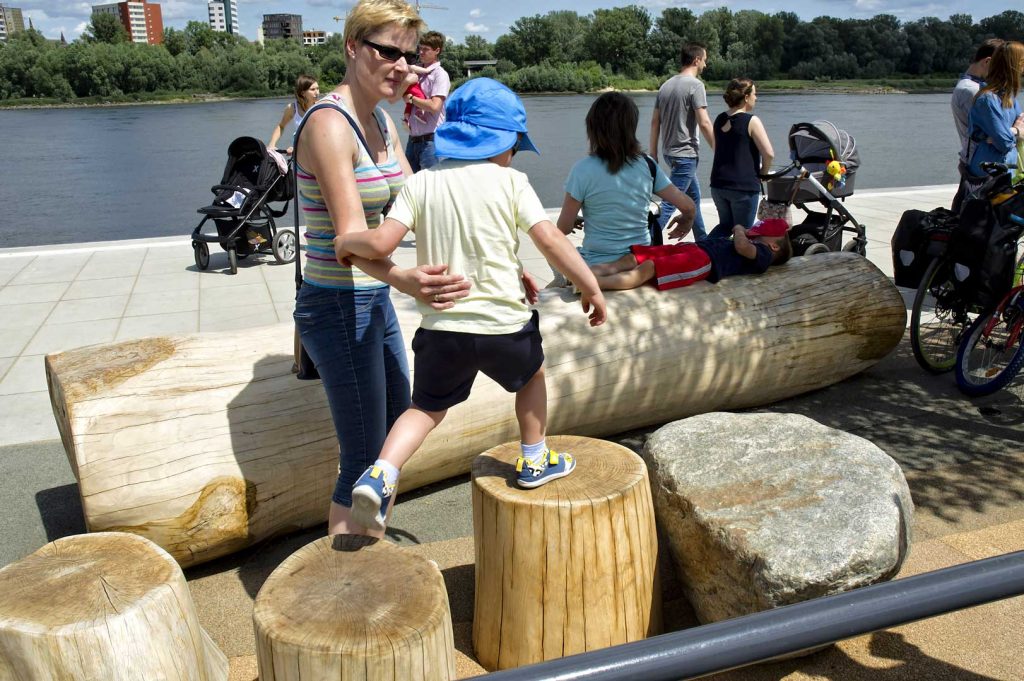
The Vistula Boulevards in Warsaw

Spatial sensory objects

Przewijanie do góry